Crown Reduction in Palmers Green
If you are looking for crown reduction in Palmers Green, you are likely trying to solve a very practical problem: a tree has become too large for the space, is blocking daylight, is touching roofs or boundaries, or simply needs careful management to stay healthy and manageable. In a leafy North London area like Palmers Green, mature trees are a major part of the character of gardens, driveways, communal spaces, shopfronts, and commercial premises. They can add privacy, shade, and value, but they also need the right care so they do not become a nuisance or a risk.
Crown reduction is one of the most effective ways to bring a tree back into balance without removing it completely. Done well, it can reduce height and spread, ease pressure on branches, improve light levels, and help the tree fit its setting more comfortably. Done badly, it can leave the tree stressed, misshapen, or more vulnerable to future problems. That is why local homeowners, landlords, property managers, and business owners in Palmers Green often prefer an experienced tree team that understands both the trees and the local environment.
Whether you are dealing with an overgrown oak near the boundary, a conifer that has outgrown a front garden, or a mature tree close to a rear extension, this page explains what the service involves, when it is appropriate, what affects pricing, and how a local arborist can help you make the right decision. If you are ready to improve safety, light, and space around your property, contact us today to request a quote and discuss the best approach for your tree.
Why residents in Palmers Green request crown reduction

Palmers Green is known for a mix of period homes, terraced streets, semi-detached properties, newer extensions, and commercial premises along busy routes. Many gardens contain mature trees that have been in place for years, sometimes decades, and these trees can grow beyond the scale of the property. A crown reduction in Palmers Green is often requested because the tree is becoming too dominant, shading a garden for most of the day, crowding neighbouring boundaries, or creating clearance issues over pathways, sheds, garages, and roofs.
Local customers also often ask for reduction after seasonal growth has increased weight on outer branches, or when a tree has developed long, unbalanced limbs following previous pruning or competition for light. In narrow side returns and smaller rear gardens, a large tree can take up valuable usable space and make routine maintenance more difficult. On commercial sites, oversized crowns can obscure signage, affect parking areas, and interfere with access for deliveries, staff, or customers.
In a well-treed area such as Palmers Green, it is common to need a solution that is sympathetic to both the tree and the setting. Reducing the crown can be a practical middle ground between leaving a tree untouched and removing it entirely. It can preserve the overall structure and appearance while making the tree more suitable for the property and surrounding landscape.
What crown reduction actually means
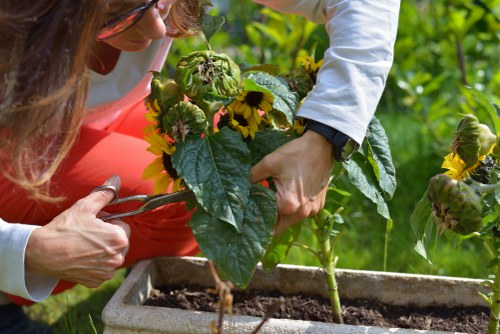
Crown reduction is the selective shortening of a tree’s branches to reduce the overall size of the canopy while retaining the tree’s natural form as much as possible. It is not the same as topping, lopping, or cutting a tree back indiscriminately. A professional reduction aims to remove branch ends back to suitable growth points so the tree remains balanced, healthy, and aesthetically pleasing.
This service is often recommended when a tree has become too tall, too wide, or too heavy at the edges. The aim is to reduce leverage and wind resistance, improve clearance, and relieve pressure on the structure. In practical terms, this can help make the tree less likely to cause issues during storms or high winds, especially where trees are exposed along roads, gardens, and boundary lines.
It is important to understand that crown reduction is a skilled arboricultural operation rather than a simple trimming job. The amount removed, the shape of the pruning cuts, and the timing of the work all matter. A careful approach helps maintain the tree’s appearance and health, while a poor approach can create weak regrowth and long-term problems. That is why customers seeking tree crown reduction in Palmers Green usually benefit from a local, experienced team that can assess the tree properly before any cutting begins.
When crown reduction may be the right option
Not every tree needs reduction, and not every problem is solved by pruning. However, there are several common situations where crown reduction may be the most sensible choice. A tree might be too close to a building, block too much light, overhang a neighbour’s garden, or create a repeated issue with falling debris. In some cases, a reduction can also help rebalance a tree with uneven growth after storm damage or previous work.
It may also be appropriate when branches are interfering with gutters, rooflines, aerial lines, or access points around a property. For households in Palmers Green with small garden spaces or mature trees close to rear extensions, a reduction can restore a more comfortable relationship between the tree and the building. Commercial clients may request the service to keep car parks, forecourts, pavements, and entrance areas clear and welcoming.
As a rule, a reduction is most suitable when the tree is healthy enough to tolerate the work and when the desired outcome can be achieved without removing too much foliage. A professional assessment will consider species, age, condition, location, and the overall shape of the crown. Local tree surgery experience matters because different trees respond differently, and the nearby built environment in Palmers Green often requires a careful, measured approach.
Benefits of choosing crown reduction for your property
Crown reduction offers several benefits for both homeowners and commercial property owners. One of the most obvious is improved light. A tree with a large crown can cast heavy shade over patios, lawns, kitchen windows, and neighbouring spaces. Reducing the canopy can make outdoor areas brighter and more usable, especially in narrow gardens where daylight is already limited.
Another major benefit is improved clearance. If branches are touching or nearly touching roofs, fences, outbuildings, or walkways, a reduction can help prevent rubbing, scraping, and physical damage. It can also make it easier to maintain gutters, access sheds or garages, and move safely around the site. For businesses, this can mean smoother access for customers and safer movement around entrances and parking areas.
A well-executed reduction can also help with tree stability. Less sail area can mean less pressure during strong winds, which is particularly useful where trees are growing in exposed spots, or where the root system is constrained by paving, walls, or compacted ground. Just as importantly, it may improve the tree’s appearance by restoring proportion and preventing the crown from becoming lopsided or unruly.
Other practical advantages include:
- More natural light into rooms and gardens
- Reduced overhang into neighbouring properties
- Better clearance for vehicles, pedestrians, and deliveries
- A tidier, more balanced appearance
- Less interference with roofs, gutters, and outbuildings
- A more manageable tree in a limited space
How a crown reduction service usually works
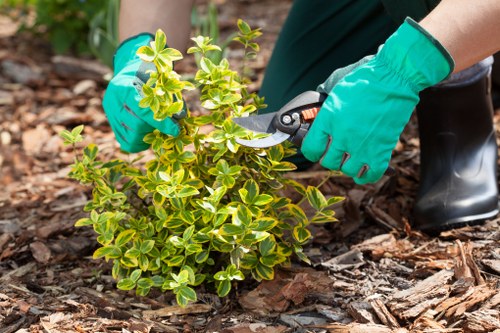
Every job starts with an assessment of the tree and its surroundings. A tree surgeon will look at the species, height, spread, condition of the branches, previous pruning history, proximity to buildings, and any visible signs of stress or damage. In Palmers Green, where properties and access routes can vary significantly from one street to the next, the site visit is especially important. A tree in a spacious rear garden may be approached very differently from one in a narrow side passage or a tight commercial yard.
Once the plan is agreed, the team will carry out the reduction using proper climbing, lowering, and cutting techniques where needed. Branches are usually shortened back to suitable growth points to maintain the tree’s natural shape and avoid unnecessary shock. Where access is limited, the crew may need to dismantle sections carefully in stages, taking care to protect lawns, paving, fences, sheds, parked vehicles, and nearby planting.
After the main work is complete, the site is typically tidied and waste is removed. The aim is to leave you with a tree that looks neat, functions better in the space, and is easier to manage going forward. If there are any concerns about ongoing health, future pruning intervals, or whether a different solution might be better in the long term, a good arborist will explain those points clearly before the work starts.
What is included in a professional crown reduction
Customers often want to know exactly what they are paying for. While every project is different, a professional service generally includes more than just cutting branches. It should involve proper assessment, safe working methods, responsible waste handling, and careful shaping that respects the tree.
Typical elements of the service may include:
- Initial inspection of the tree and site conditions
- Discussion of your goals, such as more light, better clearance, or reduced height
- Careful reduction of the crown to an agreed extent
- Selective pruning to maintain balance and a natural profile
- Branch lowering and safe handling where access is tight
- Removal and disposal of arisings unless otherwise agreed
- Site cleanup so the area is left tidy
Some trees may also need follow-up advice on aftercare or future maintenance. For example, a tree near a property boundary may benefit from periodic light maintenance rather than infrequent heavy work. In many cases, the best result is achieved through smaller, planned interventions rather than allowing the crown to become oversized again.
What makes a careful reduction different?
The difference is in the detail. A proper reduction considers branch structure, weight distribution, and how the tree will respond over the following seasons. It is not simply about making the tree smaller in the shortest possible time. Good tree surgery aims to preserve the tree’s natural character and encourage sensible future growth, which is especially important in visible front gardens and prominent local streets.
Helpful note for property owners
Under no circumstances should crown work be rushed or handled as a rough cut-back. Trees in urban settings deserve a measured approach, especially where roots, buildings, and neighbouring properties are all in close proximity.
Local conditions in Palmers Green that affect tree work
Choosing a local team for crown reduction in Palmers Green can make a real difference because the area has its own practical challenges. Many streets have limited off-road parking, narrow access points, and busy road conditions that can affect how equipment is brought in and how waste is removed. Rear access may be shared, restricted, or completely unavailable, which means the team needs to plan carefully and work efficiently.
Property types also vary. Some homes have traditional front gardens with mature boundary trees, while others have long rear gardens with mixed planting, extensions, and outbuildings. Some commercial properties face roads with regular traffic and pedestrian movement, so work may need extra coordination to avoid disruption. A local service provider understands these realities and can plan the job in a way that suits the site rather than forcing a one-size-fits-all method.
Palmers Green is also close to surrounding areas with similar housing and tree stock, such as Winchmore Hill, Southgate, Bounds Green, and Edmonton. That means an arborist working locally is likely to be familiar with the common species, growth patterns, and space constraints found in this part of North London. For customers, that usually means a more practical conversation, better advice, and a smoother service from start to finish.
Residential crown reduction for Palmers Green homes
Homeowners often get in touch because a tree is beginning to dominate the garden or interfere with everyday use of the property. In residential settings, crown reduction can help create more comfortable outdoor space, reduce shading, and improve the overall view from windows and patios. It can also help avoid tension with neighbours when branches overhang boundaries or cast excessive shade into adjoining gardens.
For period homes and smaller plots, it is especially important to keep trees in proportion with the house and available space. A tree that was once a young garden feature can, over time, become too large for its setting. Careful reduction can restore balance while allowing the tree to remain part of the landscape. This is often preferable to removal when the tree is healthy and structurally sound.
Many homeowners also seek this service before or after other garden improvements. If you are extending a patio, installing a shed, adding a play area, or improving boundary fencing, a large crown can get in the way. In such cases, a well-planned reduction can make the entire outdoor space easier to use and maintain.
Residential situations where reduction is commonly requested
- Branches hanging over roofs or gutters
- Too much shade in the back garden
- Overgrown trees near fences or neighbouring boundaries
- Reduced clearance above driveways or paths
- Unbalanced growth after stormy weather
Commercial and landlord tree care
Commercial customers and landlords in Palmers Green often need tree work that is tidy, efficient, and well planned. Shopfronts, office fronts, apartment courtyards, managed estates, and rental properties all benefit from trees that look maintained rather than overgrown. Crown reduction can help keep premises looking welcoming while reducing the risk of branches interfering with entrances, signage, or access routes.
For landlords and property managers, this service can also support better ongoing upkeep. Trees that are allowed to grow unchecked can create complaints about shading, leaf fall, and blocked pathways. A sensible reduction carried out at the right time can help reduce the likelihood of bigger problems later, while keeping the site usable for residents, staff, and visitors.
Where access is limited, the practical experience of the team matters. Urban tree work often involves careful parking, clear communication, and a plan for safe loading and removal of waste. Local commercial clients often appreciate a team that can work with minimal disruption and leave the site clean and presentable at the end of the visit.
How much does crown reduction cost?
The price of crown reduction varies because every tree and every site is different. Costs are usually influenced by the size of the tree, the amount of work required, its location, and the ease of access. A small ornamental tree in a front garden is very different from a tall mature tree overhanging a building or growing in a confined rear space.
Common factors that affect pricing include:
- Tree height, spread, and overall complexity
- Species and how it responds to pruning
- Access for climbing equipment and waste removal
- Proximity to buildings, fences, cables, and other obstacles
- Volume of branches and waste generated
- Whether extra care is needed around lawns, paving, or planted areas
A proper quote should reflect the actual work involved, not a rough guess. That is why a site visit or detailed discussion is usually the best way to understand what is needed. If you are comparing options, it is worth asking what is included, how the tree will be shaped, and whether the work is being carried out with the tree’s long-term health in mind. Request a free quote if you want a clear idea of the likely approach for your property.
How to prepare for a crown reduction visit
Good preparation helps the work run more smoothly and keeps the site safer. You do not need to do much, but a few simple steps can make a difference, especially in tightly packed streets and shared access areas common around Palmers Green.
Preparation checklist
- Move cars, bins, furniture, and fragile garden items away from the work area if possible
- Make sure gates, side access, and pathways are unlocked and accessible
- Inform neighbours if branches overhang shared boundaries or access routes
- Keep children and pets away from the work zone while the team is on site
- Point out any concerns about drains, roofs, greenhouses, or underground features
- Let the team know about any parking restrictions or access issues before the visit
If the tree is near a public path, a wall, or a communal area, it is helpful to discuss the layout in advance so the work can be planned efficiently. In some cases, the team may need to stage equipment or manage waste removal carefully because of the limited space. The more clearly the site is understood beforehand, the smoother the visit is likely to be.
Why choose a local company for crown reduction in Palmers Green
There are many reasons to choose a local company rather than a distant or one-off contractor. A local team is more likely to understand the common tree species, the typical garden sizes, and the access restrictions that come with residential and mixed-use properties in this part of North London. That familiarity can translate into better planning and a more suitable result.
Local knowledge also matters because not every tree service is the same. Tree work should be carried out with care, using sound pruning principles and a respect for the surrounding property. For customers, that means choosing people who communicate clearly, assess the tree properly, and explain the likely outcome in straightforward terms. A trustworthy local service focuses on giving you a practical answer, not pushing unnecessary work.
In areas like Palmers Green, where gardens often border neighbours closely and parking can be tight, a team that already understands the local logistics can make the whole process easier. It is not just about the cut itself; it is about how the job is managed, how safely the site is handled, and how little disruption is caused while the work is taking place.
Related services that may be useful
Sometimes crown reduction is the main service you need. In other cases, it may form part of a broader tree care plan. Depending on the condition of the tree and your goals, you may also want to discuss other services that can support healthy, manageable trees on your property.
Other services often considered alongside reduction
- Crown thinning for improved light and reduced wind resistance
- Crown lifting to raise the canopy above paths, drives, and lawns
- Deadwood removal for safety and appearance
- Formative pruning for younger trees
- Tree inspections and condition checks
- Tree removal where a tree is no longer suitable or safe
A skilled arborist will explain whether crown reduction is the best option or whether another approach would serve you better. In some cases, a lighter prune is enough. In others, a more substantial management plan may be needed. The key is that the work should suit the tree, the space, and the reason you have called.
Frequently asked questions about crown reduction
How much of the tree can be reduced?
That depends on the species, condition, and purpose of the work. The right amount should be determined by inspection rather than guesswork. A good reduction keeps the tree in proportion while avoiding over-pruning.
Will the tree look natural after the work?
It should, if the reduction is carried out properly. The aim is to keep the tree balanced and visually appealing while making it smaller and more manageable. The final shape depends on the tree’s structure and how much correction is needed.
Is crown reduction safe for all trees?
No. Some trees tolerate reduction better than others, and some trees may be too weak, too young, or otherwise unsuitable. This is why an on-site assessment is important before any work is agreed.
How often will the tree need attention afterwards?
That varies depending on growth rate, species, and location. Fast-growing trees in tight urban spaces may need more regular maintenance than slower-growing trees in larger gardens.
Can you reduce a tree near a house or fence?
Yes, provided it is planned and carried out carefully. Trees near buildings and boundaries are common in Palmers Green, and experienced teams are used to working in restricted spaces with care and precision.
What should I do if I am not sure whether I need reduction or removal?
Arrange an assessment and discuss your concerns openly. In many cases, crown reduction is enough. If removal is the better option, you should be told why. The right answer depends on the tree’s condition, safety, and the available space.
Book crown reduction in Palmers Green with confidence
If your tree is getting too large for its setting, blocking light, or causing clearance problems, crown reduction may be the practical solution you need. For Palmers Green property owners, the value of a local service is simple: quicker understanding of the site, better awareness of access issues, and advice that fits the realities of North London homes and businesses.
From family gardens and rental properties to retail frontages and managed communal spaces, the goal is the same: create a tree that works better for the space while remaining attractive and healthy where possible. Contact us today to discuss your tree, ask questions about the process, and request a free quote. If you are ready to improve light, safety, and usability around your property, book your service now and take the next step toward a more manageable tree.
Planning ahead makes a difference
It is often easier and more cost-effective to manage a tree before it becomes a major issue. Early action can reduce the chance of damage, avoid complaints from neighbours, and keep the tree in a healthier condition over time.
A final practical reminder
Good tree care is about balance: enough reduction to solve the problem, but not so much that the tree is left stressed or disfigured. That balance is what a careful local service should aim to achieve in Palmers Green.